old
| Jump To: |
|
| Also found in: |
|
old (ōld)
adjective older old′er or elder eld′er, oldest old′·est or eldest eld′·est
- having lived or been in existence for a long time; aged
- of, like, or characteristic of aged people; specif., mature in judgment, wise, etc.
- of a certain or specified age or duration a child ten years old
- made or produced some time ago; not new
- familiar or known from the past; accustomed up to his old tricks
- designating the form of a language in its earliest attested stage Old English
- having been in use for a long time; worn out by age or use; shabby
- that was at one time; former my old teacher
- having had long experience or practice an old hand at this work
- belonging to the remote past; having existed long ago; ancient an old civilization
- dating or continuing from some period long before the present; of long standing an old tradition
- designating the earlier or earliest of two or more the Old World
- Informal dear: a term of affection or cordiality old boy
- Informal tiresome, annoying, etc., esp. as a result of repetition or monotony their incessant chatter has gotten old
- Geol. having reached the stage of greatly decreased activity or showing extensive reduction of topographical form: said of streams, mountain ranges, etc.
Etymology: ME < OE (Anglian) ald, WS eald, akin to Ger alt < IE base *al-, to grow > L altus, old, alere, to nourish: basic sense “grown”
noun
- time long past; yore days of old
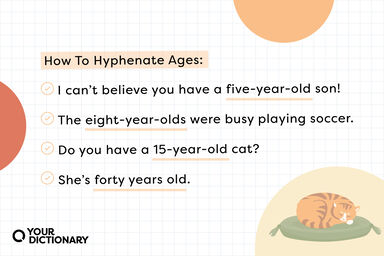
- a person of a specified age: used in hyphenated compounds a six-year-old
- something old: with the
- old people: often with the
Related Forms:
- oldness old′·ness noun
Webster's New World College Dictionary Copyright © 2005 by Wiley Publishing, Inc., Cleveland, Ohio.
Used by arrangement with John Wiley & Sons, Inc.
Alternate definitions:
old
modif.
No longer vigorous
aged, elderly, patriarchal, superannuated, gray, grizzled, venerable, hoary, not young, of long life, past one's prime, far advanced in years, matured, having lived long, full of years, seasoned, debilitated, infirm, inactive, deficient, enfeebled, decrepit, exhausted, tired, impaired, anemic, broken down, wasted, doddering, senile, on the shelf*, ancient*, gone to seed*, with one foot in the grave*. Worn
time-worn, worn-out, thin, patched, ragged, faded, used, in holes, rubbed off, mended, broken-down, fallen to pieces, tumbled down, fallen in, given way, long used, out of use, rusted, crumbled, past usefulness, dilapidated, weather-beaten, ramshackle, battered, shattered, shabby, castoff, decayed, antiquated, decaying, stale, useless, tattered, in rags, torn, moth-eaten; see also sense 1, worn 2.Ancient
ancient, archaic, antique, time-honored, prehistoric, bygone, early, forgotten, age-old, immemorial, antediluvian, olden, remote, past, distant, former, of old, of yore, gone by, long ago, classical, medieval, out of the dim past, primordial, primeval, pristine, belonging to antiquity, timeless, dateless, unrecorded, handed down, long-standing, venerable, hoary, old-time, of earliest time, of the old order, ancestral, traditional, primitive, atavistic, time out of mind, trogloditic, before the Flood, Noachian, pre-Adamite, old as time, old as the hills*; see also senses 1, 2, old-fashioned.Cherished
*Wonderful
great, magnificent, superb; see excellent.Grown up
adult, of age, of legal age, grown; see experienced, mature 1.Out-of-date
antiquated, obsolete, outmoded; see old-fashioned.
old implies having been in existence or use for a relatively long time an old civilization, old shoes; ancient implies reference to the remote past, often specif. the time of the early history of the world before the end of the Roman Empire (!a.d. 476) ancient history; antique is applied to that which dates from ancient times, or, more commonly, from a former period antique furniture; antiquated is used to describe that which has become old-fashioned or outdated antiquated notions of decorum; archaic applies to something marked by the characteristics of an earlier period thou is an archaic form of you; obsolete is applied to that which has fallen into disuse, is out-of-date, or has been superseded obsolete weapons
Webster's New World Roget's A-Z Thesaurus Copyright © 1999 by Wiley Publishing, Inc., Cleveland, Ohio.
Used by arrangement with John Wiley & Sons, Inc.
Converse of object
- engage: The difficulty of engaging 13-14 year olds was highlighted - exacerbated in rural areas by limited availability of public transport.
Adjective modifier
- 11-year: One in five 9-year-olds and one in three 11-year olds is now seriously overweight.
Noun used with modifier
- year: Most 21 year olds are already earning at or above the level of the full minimum wage.
Used with adjective complement
- grow: Growing old is mandatory; growing up is optional!
The word usage examples above have been gathered from various sources to reflect current and historical usage. They do not represent the opinions of YourDictionary.com.
I'm old fashioned. I don't believe in extra-marital relationships. I think people should mate for life, like pigeons or Catholics.
Sero te amavi, pulchritudo tam antiqua et tam nova, sero te amavi! Late have I loved you, beauty so old and so new: late have I loved you.
But I'm dying now and done for, What on earth was all the fun for? I am ill and old and terrified and tight.
Webster's New World Dictionary of Quotations Copyright © 2005 by Chambers Harrap Publishers Ltd. All rights reserved. Published by Wiley, Hoboken, NJ. Used by arrangement with John Wiley & Sons, Inc.
Link to this page:
Cite this page:
MLA Style
"old." Webster's New World College Dictionary. 2009
- Your Dictionary. 5 July 2009
- <www.yourdictionary.com/old>
APA Style
old. (2009). In Webster's New World College Dictionary
- Retrieved July 5th, 2009, from www.yourdictionary.com/old

Comments:
Please Login or Register to post a comment